About
A veteran sits in a quiet office. He has done everything treatment asked of him: the appointments, the medications, the hard work of therapy. The fear is quieter now. And still he cannot find peace. The wound that remains was never about fear. It is about what he saw, what he did, and what he can no longer say about himself. It lives in his sense of right and wrong. We call it soul harm.
Researchers now have a name for this kind of wound. They call it moral injury. It does not come from danger to a person’s life. It comes from doing, seeing, or failing to stop something that breaks their deepest sense of right and wrong. PTSD is built around fear. Moral injury is built around shame, and treatments made for fear do not fully reach it.
The Seattle Moral Injury Research Institute began with men like that veteran, and with an old discovery. Long before modern psychology, the early Church spent centuries caring for people who carried exactly this wound. Its writers had names for it, practices for meeting people inside it, and a patient art of healing it. The Institute exists to recover that art and bring it carefully into today’s care.
Mission
We study soul harm, the moral wound beneath many diagnoses, and recover the early Church’s wisdom for its care.
Vision
A country where veterans and others carrying soul harm find communities, clinical, congregational and civic, that recognize the wound and know how to walk with it.
Our approach
Clinical care and the early Church look at the same wound from two sides. Clinical care sees it from the outside: its symptoms, its causes, what can be measured. The church tradition sees it from within: what it means, how it touches a person’s identity and community, and their relationship with their Creator.
Neither view replaces the other. Clinical care has given us real tools for trauma and treatments that genuinely help. Our research honors that work and builds on it.
Four hundred years ago, Galileo’s telescope helped the church see that it had confused its faith with an old map of the sky. Letting the map go did not weaken the faith. It clarified it. We believe a similar moment has come for the care of moral injury. An older tradition can help clinical care see what its map was never drawn to show.
And we begin with beauty, not with argument. The old tradition taught that people heal by what they behold, love and practice, not only by what they understand. That conviction shapes everything the Institute does, from our research to the way this site speaks.
So we bring the two views into conversation, carefully and honestly. The goal is simple: that the people who carry these wounds, whether veterans, first responders, healthcare workers or clergy, can find healing and find themselves again.
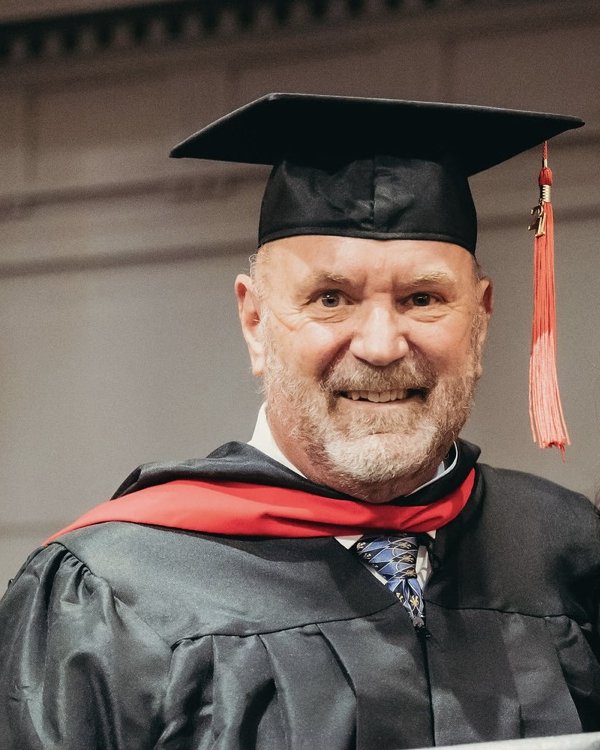
Founder
Michael Alfstad
Michael Alfstad is the founder and executive director of The Seattle Moral Injury Research Institute. He holds a master’s degree in theology and culture. He is now a doctoral candidate in the Global Leadership and Theology program at George Fox University and Portland Seminary.
His research brings together moral injury, soul harm and the early Church’s understanding of the human person. It also looks at how communities organize the care of souls. His work draws on the Christian traditions of East and West, in conversation with today’s clinical research.